Shuvalova O.A.
Science Researcher
CSPE "The Local History museum
of Temirtau City"
Source Code of an Era: Temirtau in the 1950s and 1960s
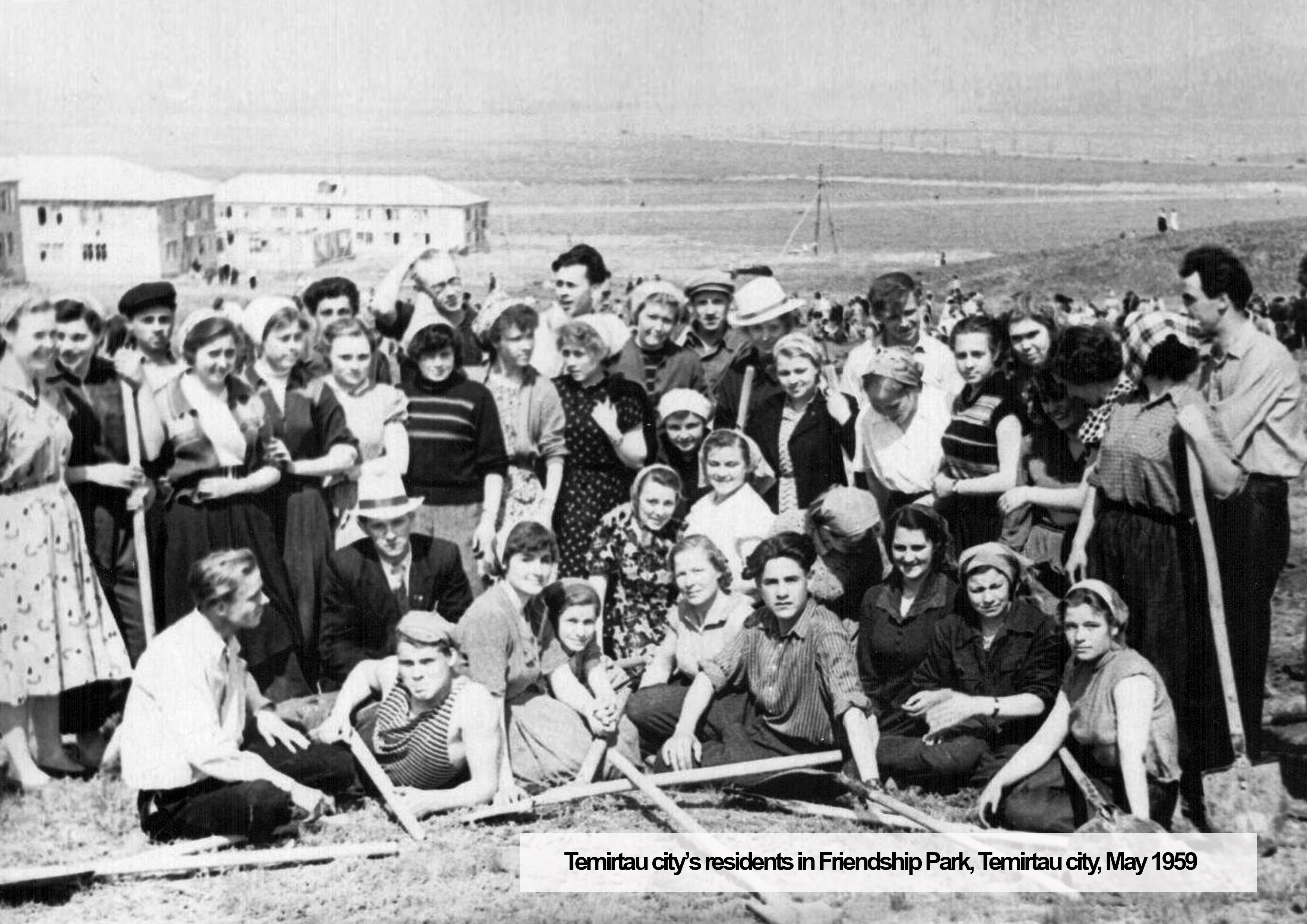
The 1950s and 1960s were a time of rapid development for Temirtau city. Before the eyes of its contemporaries, the small village Samarkandsky was transforming into a major industrial and cultural center, a future giant of the ferrous metallurgy industry. Behind the large-scale production plans and construction projects lay the lives of thousands of people whose labor created the new city. Temirtau city grew not only with its workshops and production sites- its life was filled with children's laughter, the sound of road construction, neighbors' voices in courtyards, and jazz tunes blaring from radios.
The rhythm of life in the young city was determined by the metallurgical plant. Each day began and ended with the factory whistle, calling workers to their shifts. The streets filled with people hurrying to work, discussing the latest news and plans. After a hard day's work, Temirtau city would immerse itself in an atmosphere of family and friendship, and life would shift from the workshops to homes and courtyards.
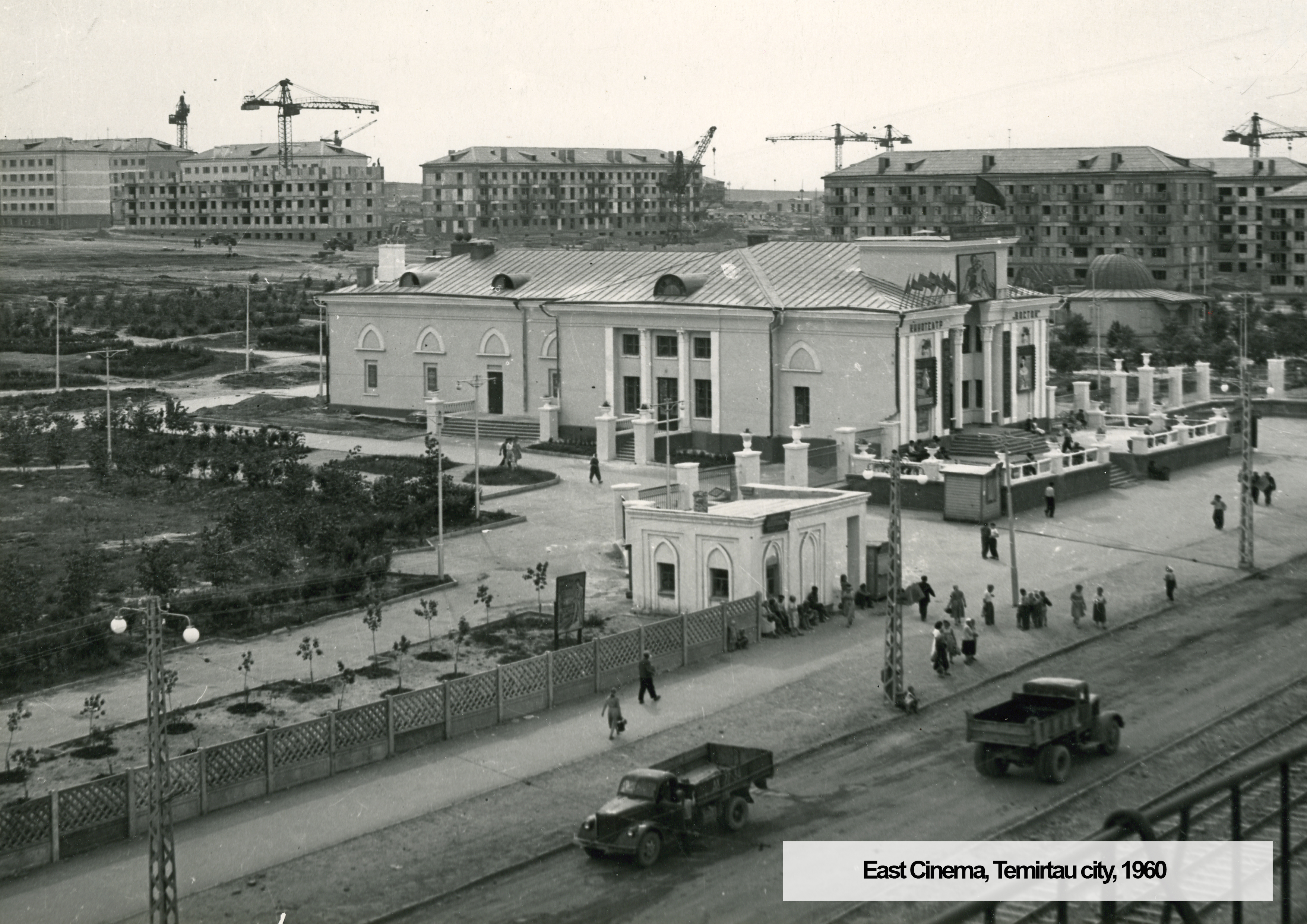
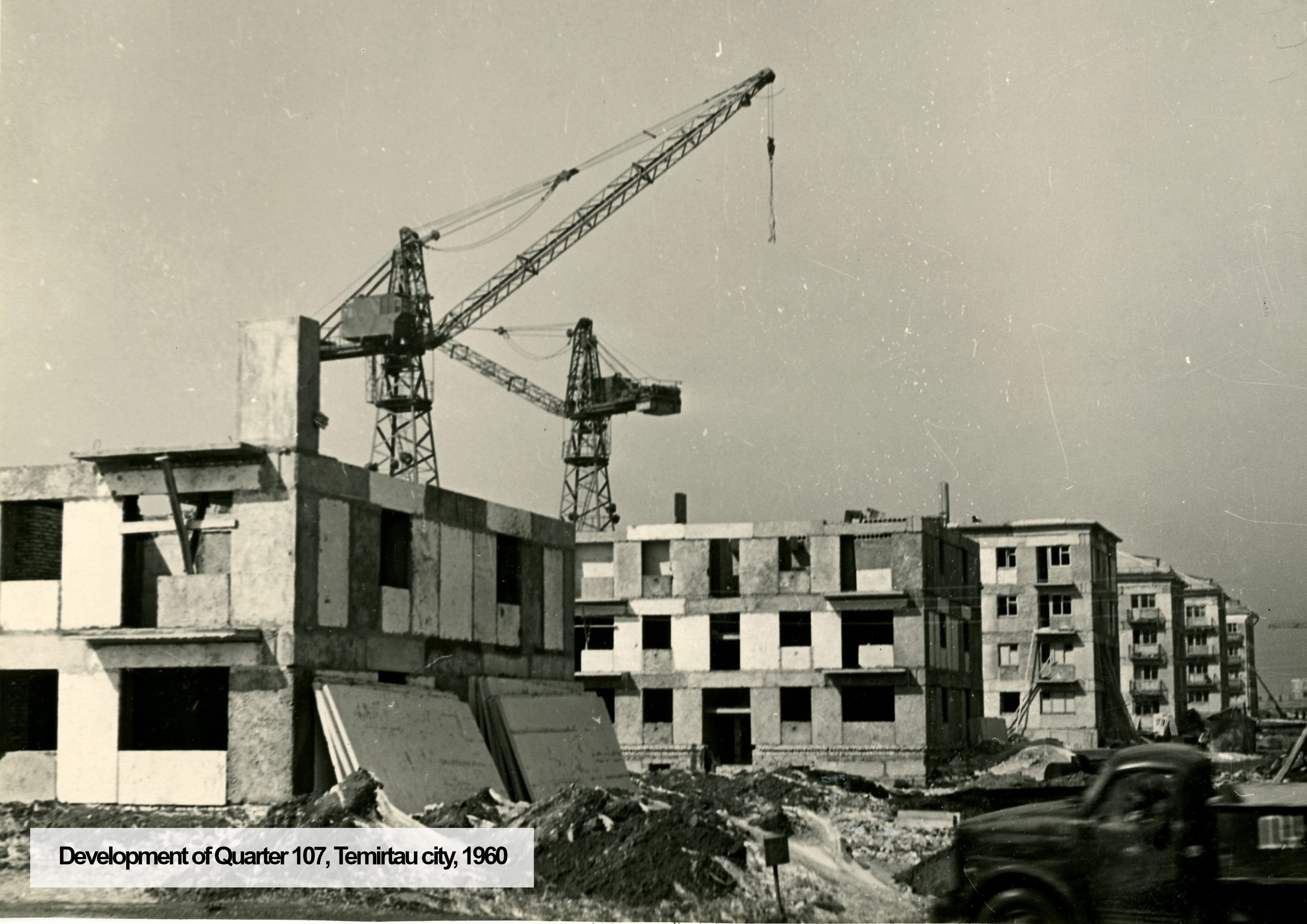
However, the infrastructure couldn't always keep up with the rapid population growth. The housing stock of the early 1950s was marked by contrasts. A significant portion of the buildings consisted of single-story houses with shared bathrooms at the end of the corridor, popularly known as "barracks." The eastern part of the city was actively built with two-story panel houses, many of which are still in use today. At the same time, the city continued to improve. By January 1952, the first three-story, 18-apartment building, 15 kilometers of roads, and 17 kilometers of water pipes were completed. Thanks to the creation of a nursery, the area of green space increased by 25 hectares. In November 1954, the 31st quarter was formed- 112 well-appointed apartments, paved sidewalks, and hundreds of planted trees. By the early 1960s, the barracks had given way to typical "Khrushchev-era" apartment buildings, and their small kitchens became a place for family gatherings, friendly get-togethers, and discussions of city news.
Courtyards were an integral part of city life. In the 1950s, they served as an extension of the home. Here, men played chess and discussed factory affairs, women exchanged recipes and treated each other to homemade baked goods, and older children helped younger children learn to ride bicycles.
The appearance of the city streets gradually changed. As the population grew, the volume of traffic increased, necessitating traffic regulation. In September 1952, the executive committee approved traffic regulations. To preserve the new paved roads, tractors, excavators, and horse-drawn vehicles with studded tires were banned from using them. Restrictions also affected cyclists: children under 13 were prohibited from riding on the streets, racing, carrying passengers on single-seat bicycles, and riding on park pedestrian paths. Violating the rules carried a fine of 10 rubles, which tripled if not paid to the police.
Motor transport became increasingly popular. The city's fleet grew so rapidly that in February 1956, Temirtau opened its own driving school. At the same time, the road network was developing. In the fall of 1953, construction began on the Karaganda-Temirtau highway, using bulldozers, excavators, and asphalt pavers.
Despite the pace of an industrial city, Temirtau city’s residents found time for art and creativity. Cultural life flourished just as vigorously as industrial activity. In June 1952, artists from the Abai State Academic Opera and Ballet Theater performed for the workers in the red corner of the rolling mill at the Kazakh Metallurgical Plant. People's Artist of the USSR Kulyash Baiseitova personally congratulated the metallurgists on the early fulfillment of their six-month plan.
Theatrical tours became a significant event in the city's life. In August 1954, residents of Temirtau city saw productions by the Karaganda Regional Drama Theater, and in the summer of 1959, the city was visited by the Moscow Contemporary Theater. These tours made such a strong impression that a people's theater of the same name was established at the Metallurgists' Palace of Culture.
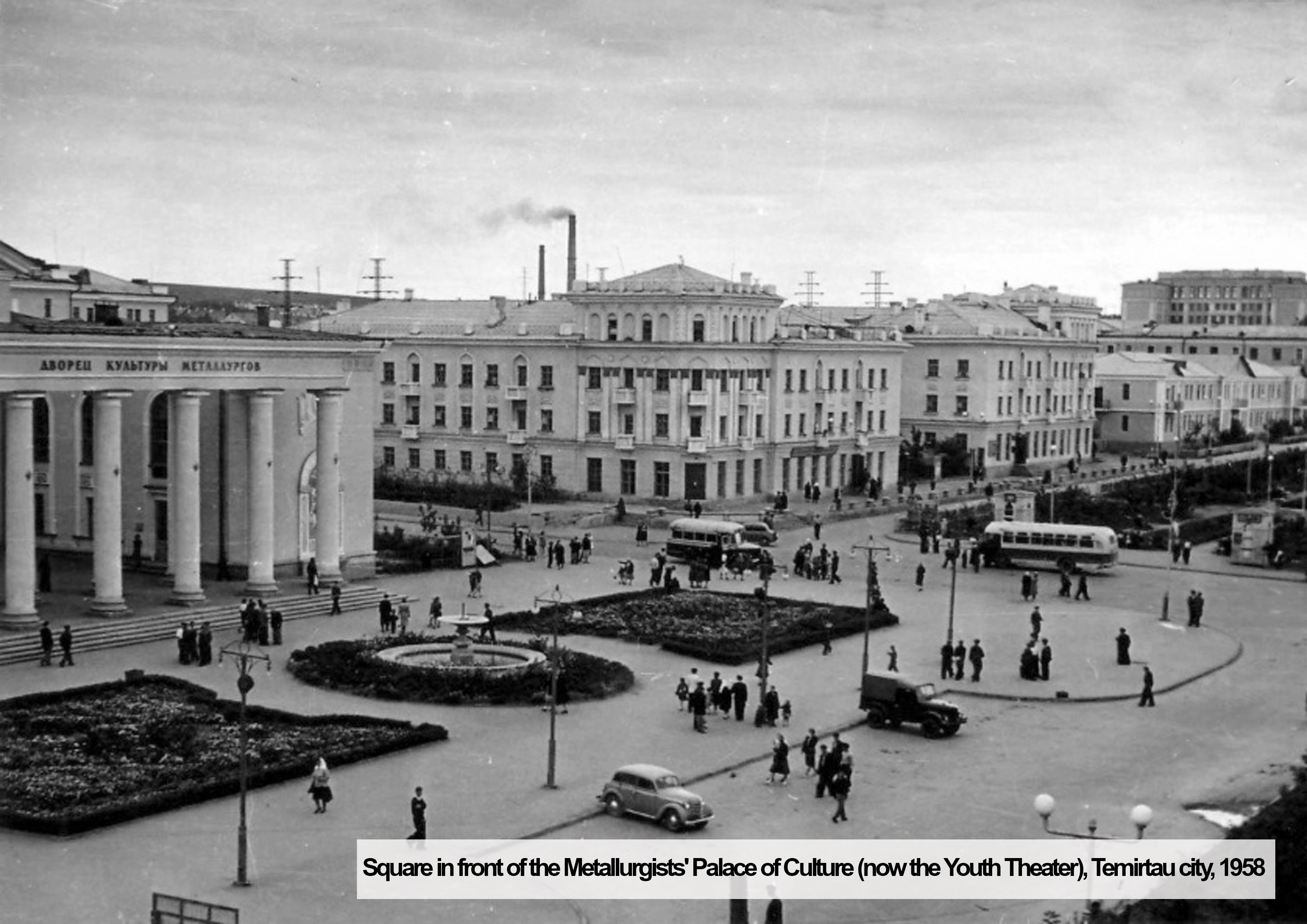
The Metallurgists' Palace of Culture (now the Youth Theater), which opened in October 1956, occupied a special place in the city's cultural life. Fourteen creative groups worked there, and the stage was equipped with a rotating mechanism, unique for its time, allowing for the creation of complex sets. The builders also shaped their own cultural environment: their Community Center housed the Burevestnik Drama Theater, and in December 1959, an amateur film studio opened.
A symbolic reflection of the era was the publication in November 1955 of Tair Zharokov's poem "Steel Born in the Steppe" in the magazine "Soviet Kazakhstan," dedicated to the labor heroism of the Temirtau people.
Particular attention was paid to the education of the younger generation. The youth of Temirtau grew up in an atmosphere of creativity, art, and sports. In September 1953, the first music school opened for 64 students, teaching piano, violin, and button accordion. In the 1960s, alongside Soviet pop music, young people began to listen to foreign music.